Environmental Restoration
Bringing disturbed land back to life through revegetation, habitat restoration, and responsible reclamation. Mine sites, pipeline corridors, riparian zones, and post-construction projects across Western Canada.
Restoring the Land
When land is disturbed by construction, resource extraction, or natural events, the ecosystem needs help recovering. Raincoast Erosion Control specializes in environmental restoration — the process of returning damaged land to a healthy, self-sustaining state using native plants, proper soil management, and proven ecological techniques.
Our restoration work is grounded in both technical expertise and a deep respect for the land. As an Indigenous-owned company, environmental stewardship is core to our values. We work closely with environmental consultants, biologists, and regulatory agencies to ensure every project meets compliance requirements and delivers meaningful ecological outcomes.
Project Highlight
MOTI Highway 5 — Post-Flood Revegetation
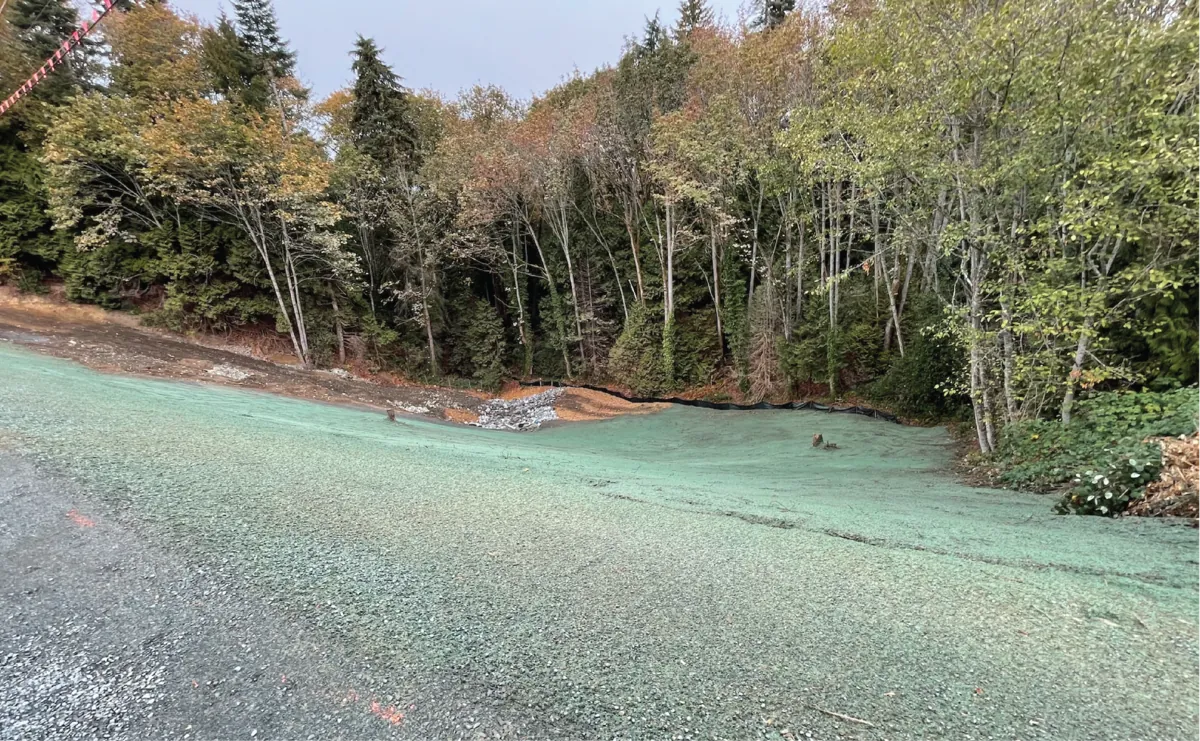
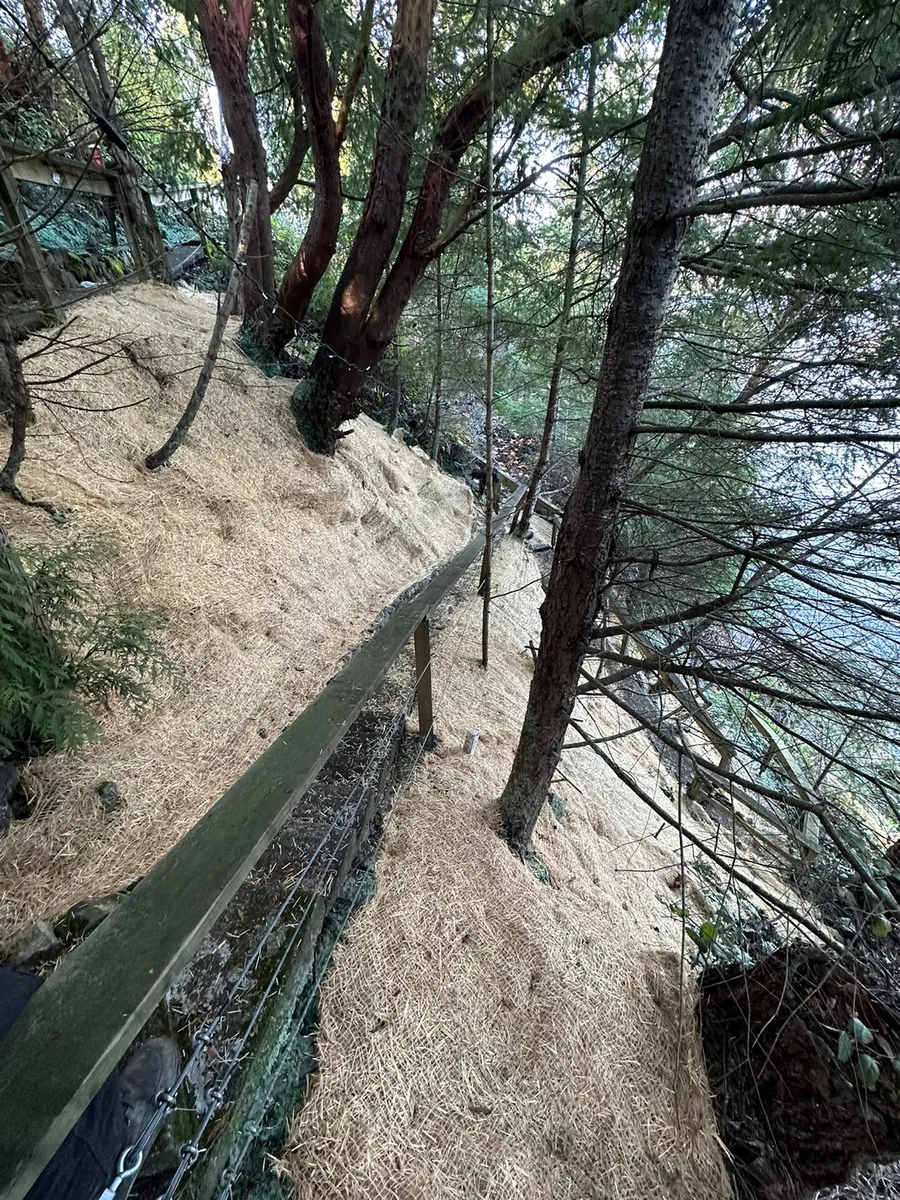
Raincoast was contracted to deliver reclamation and revegetation across areas disturbed by flooding alongside Highway 5. Hydroseed mixes and native cover were applied to stabilize banks and re-establish ground cover after the event.
Location: Hope / Merritt, BC · Client: Evergreen Environmental · Tags: Hydroseeding, Revegetation
Our Restoration Services
Revegetation
Native seed mixes and plant installations designed for the specific ecosystem — coastal BC, Interior BC, foothills, or boreal. Hydroseeding (including drone seeding) and hand planting for comprehensive coverage.
Habitat Restoration
Reconstruction of wildlife habitat including riparian zones, wetlands, and upland areas using native species and natural materials.
Land Reclamation
Returning mined, quarried, or heavily disturbed land to productive or natural use through soil restoration and strategic planting.
Riparian Restoration
Streamside and waterway restoration using native plantings, bioengineering, and erosion control to protect fish habitat and water quality.
Soil Rehabilitation
Amending and restoring degraded soils to support healthy plant growth using compost, mulch, and soil amendments.
Monitoring & Maintenance
Long-term monitoring and adaptive management to ensure restoration sites achieve their ecological targets.
Frequently Asked Questions
What is environmental restoration?
Environmental restoration is the process of returning disturbed land to a healthy, functioning ecosystem. This includes revegetation with native species, habitat reconstruction, soil rehabilitation, and long-term monitoring to ensure the site recovers and sustains itself.
What types of sites do you restore?
We work on a wide range of disturbed sites: post-construction areas, mining and quarry sites, pipeline and utility corridors, logging roads, landslide areas, contaminated land, and riparian (streamside) zones. Each site gets a custom restoration plan.
Do you use native plant species?
Yes. We prioritize native BC plant species for all restoration projects. Native plants are adapted to local conditions and support local wildlife. We source from regional nurseries and seed suppliers whenever possible.
How long does restoration take?
Initial planting and seeding can often be completed in days or weeks, depending on the site. However, true ecological restoration is a longer process — monitoring and maintenance typically continue for 2–5 years to ensure the site is self-sustaining.
Need Environmental Restoration?
From coastal riparian zones to Alberta mine reclamation sites, we have the expertise to restore disturbed land across Western Canada. Get a free project consultation.